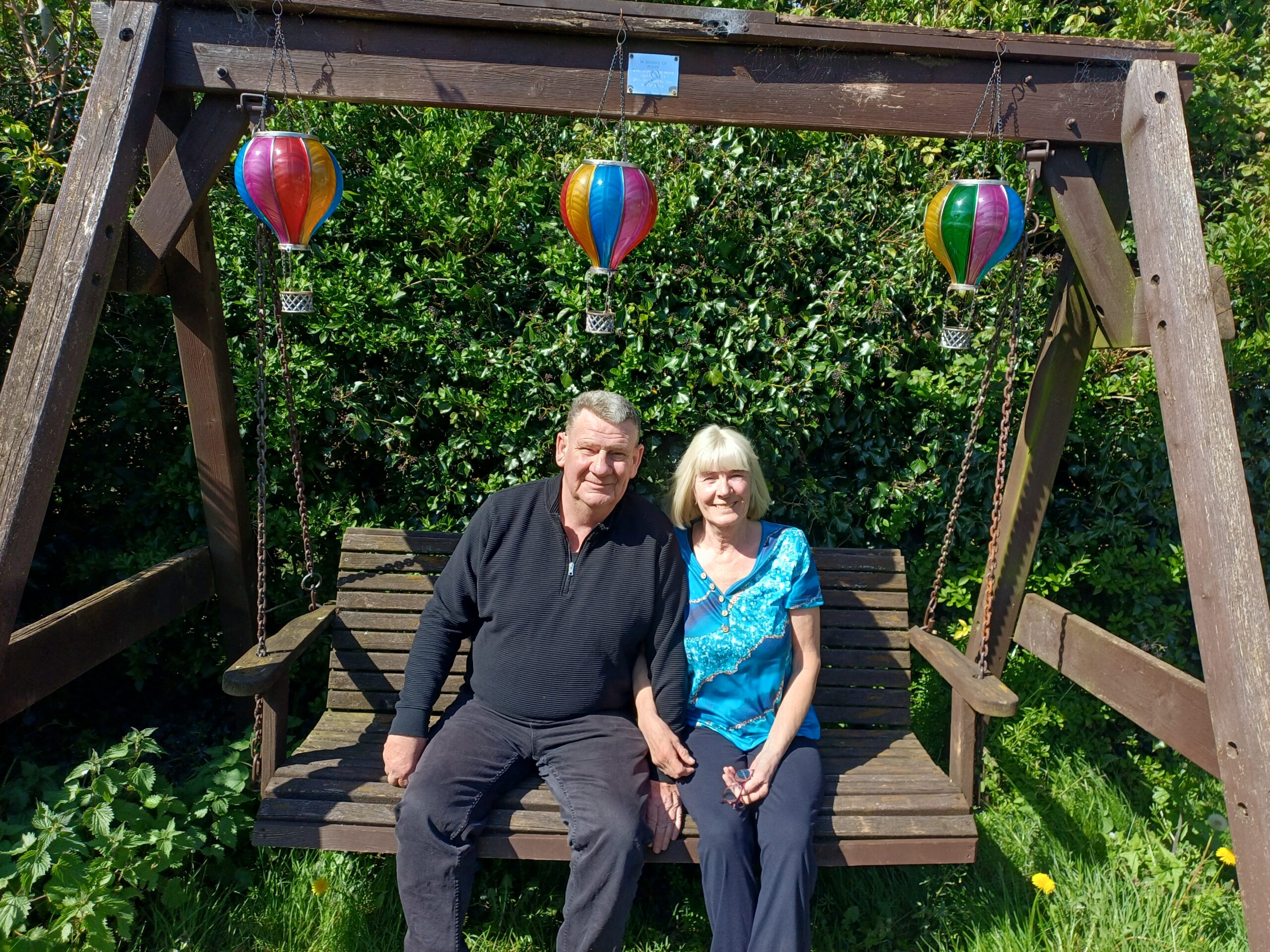
Steve and Karen share their meaningful experience of fostering teenagers and the difference it has made
When people think about fostering, they often picture babies or younger children. Teenagers can sometimes be overlooked, due to assumptions about their behaviour or the challenges may be too great.
But for Steve and Karen, who have been fostering for over 15 years and are foster carers with Foster Wales Conwy, fostering teenagers has become one of the most meaningful parts of their journey.
They did not begin with a plan to focus on teenagers. In fact, their path into fostering developed gradually. After their own children became more independent, Steve explained that their home felt empty and that they were “rattling around here on our own”.
shaped by personal experience
Their decision to foster was also shaped by personal experience. Steve shared: “My mother died when I was five years old and we were then raised by my aunt, which gave use deep understanding of how important a stable home can be.”
Karen and Steve have now cared for 13 children, a decision that has shaped the lives of many local young people as well as their own. Karen and Steve started fostering with an independent agency in 2010, first caring for two young siblings on a short-term basis. As they looked to provide more stable, longer-term care, they later moved to foster with their local authority in Conwy, which was a better fit for them.
a natural fit with teenagers
After being offered longer-term care to teenagers, Karen and Steve gradually realised that supporting older children was something that worked particularly well for their family.
Karen reflected: “We didn’t initially set out to foster teenagers, but now, if you asked us which age group we feel most suited to, we’d definitely say teenagers.”
empathy at the heart of their approach
What stands out most in Steve and Karen’s approach is not a rigid method or a strict set of rules, but empathy and understanding. When discussing the challenges teenagers may face, Karen said: “I think the key word is empathy.”
Rather than rushing to criticise difficult or challenging behaviour, they focus on understanding what sits underneath it. As Karen explains, “In our experience, sitting them down and telling them something is wrong can sometimes lead to them shutting down completely.”
challenging misconceptions about teenagers in care
Steve and Karen discussed common misconceptions about teenagers in care, such as assumptions that they are all involved in negative behaviours like drug use or absconding.
They emphasised that while some teenagers may experiment with substances or exhibit challenging behaviours, these are often typical of adolescence and not unique to children in care.
Steve highlighted the importance of empathy and understanding, encouraging foster carers to remember their own teenage years and the pressures young people face.
“You have to put yourself in their shoes,” he said. “If you remember what it was like when you were 15… between 15 and 17 can be a really difficult time, and that’s when support and help matter most.”
That understanding shapes how they respond to behaviours that might otherwise be judged harshly. Rather than viewing teenagers in care as simply “troubled”, they see young people navigating confusion, pressure, trauma, and vulnerability all at once.
creating a sense of home
Creating a sense of home is another central part of their approach. “Family meals are important,” Karen said, while also recognising that flexibility matters and not every young person will feel ready to join in straight away.
Karen and Steve encourage teenagers to make their bedrooms their own, as Karen put it: “We encourage the children to decorate their space as theirs, because it is.”
Steve added that privacy matters too: “We let them know their bedroom is their own space… we always knock!”
Alongside preparing their room, Karen also asks each young person about their preferences for toiletries such as shampoo, conditioner, and shower gel and buys the brands they like, rather than providing generic alternatives.
the importance of flexibility
Their experience shows that feeling settled can take time. Karen shared: “Fostering teenagers requires flexibility, particularly in adapting house rules to individual needs.” Some young people may avoid family meals or struggle to engage in everyday routines for some time. But Steve and Karen’s role is not to force that process; it is to create the conditions where trust can grow, slowly and safely.
“It’s all based on trust,” Karen said, while Steve added “You’ve got to build up trust, haven’t you?”
This means setting boundaries but not imposing blanket rules that ignore individuality. Karen explained, “They’ve got to be individual because all teenagers are different.”
preparing teenagers for independence
Karen and Steve discussed their approach to fostering independence and preparing teenagers for adulthood. They encourage young people to take on responsibilities gradually, such as managing their own laundry and budgeting their finances. They help teenagers open bank accounts and teach them money management skills, including saving for future goals like driving lessons or purchasing a car.
Steve described teaching young people how to save: “The best time to save is the day you get paid.” These lessons may seem small, but they help build confidence and support young people in imagining a future for themselves.
Karen and Steve also support their young people, Adam* and Sarah*, with transport to and from work when needed. Steve added: “When Sarah finishes work late, she sends me a message and I pop and get her. She is currently saving up her money for driving lessons.”
tailoring support to individual needs
Karen and Steve emphasised the importance of tailoring their approach to each young person’s needs and interests. For example, they described supporting a young person who was not interested in sports by helping them explore creative hobbies like art and photography. They also highlighted the value of encouraging young people to take ownership of their responsibilities, while offering guidance and support when needed.
the rewards of fostering teenagers
The rewards of fostering teenagers are profound. Looking back, Steve said the most rewarding moments come “when you see them now” and witnessing what they have gone on to achieve. Karen added, “We’re proud of all of them because they’ve all achieved something.”
Young people they have cared for have gone on to university, qualified in professions such as nursing and dental care, found employment , learned to drive, and built independent lives. Many still return for Christmas dinner, barbecues, or simply to keep in touch.
a simple but powerful belief
At the heart of Steve and Karen’s message is a simple but powerful belief: “They all deserve the chance.” Even a short period of stability, care, and encouragement can have a lasting impact. Teenagers are at a vital stage in life, and as Karen put it, “It’s about giving them an opportunity.”
Teenagers in care are not defined by the challenges they face. They are young people with potential, humour, individuality, and strength. Steve and Karen’s experience show that with empathy, patience and trust, fostering teenagers can be not only possible, but deeply rewarding.
are you ready to take the first step into fostering and help change a young person’s life, like Steve and Karen have done?
If you live in Conwy, contact Foster Wales Conwy and Jess, our dedicated Recruitment Officer, will be in touch for a friendly, no obligation conversation to help you decide if fostering is right for you.
If you live anywhere else in Wales, visit Foster Wales for more information and to find your local authority fostering team.