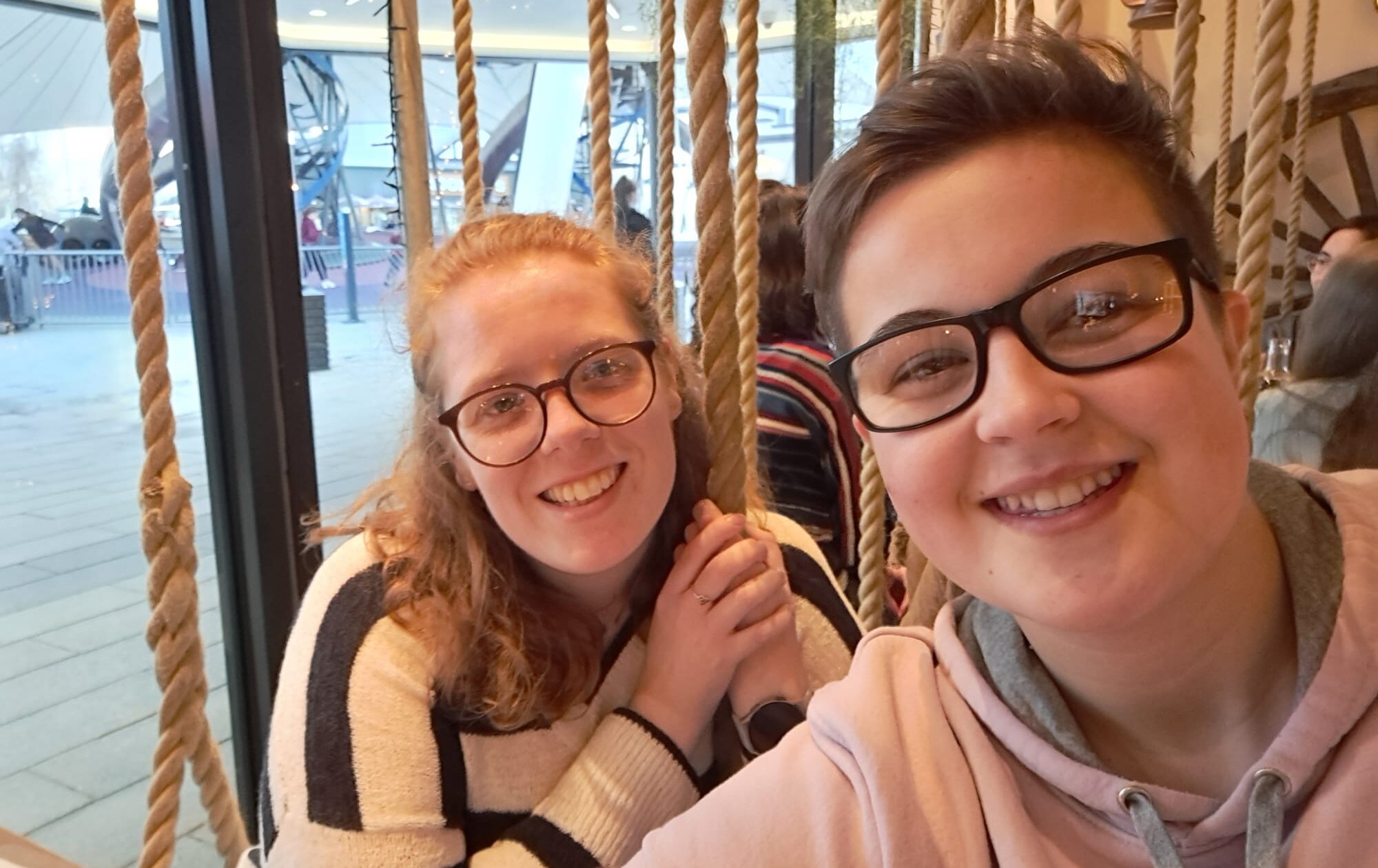
Hannah’s desire to foster began when she was 16, but life took a different turn when her mum fell ill. Years later at university, the passion remained strong. Betty, meanwhile, grew up surrounded by fostering- her grandparents and parents both fostered, and it left a lasting impression.
When they met, fostering became a shared dream. Betty even joked it was a relationship condition! After researching agencies, they found Foster Wales through a roundabout advert and felt that fostering with their local authority aligned with their values.
life as young foster carers
They started the process just before Betty turned 21, completing the ‘Skills to Foster’ course and getting matched with their “incredible” assessing social worker, Sam.
Before going to panel, they got a call about a child with complex medical needs. It wasn’t what they’d planned – “but something felt right”. After reading about the child, meeting the child’s social worker and attending specialist training at the local hospital, Cadie* came to live with them.
From that moment, everything changed. What was meant to be short term quickly became a new way of life. Now, they can’t imagine life without Cadie.
Hannah and Betty open up about their journey.
*The child’s name has been changed to protect their identity
welcoming her into our lives
Hannah: We originally planned to foster just for short breaks since we both worked, but after reading about her, we sat down and agreed – this was meant to be. She sounded like the perfect fit for our family. About a month in, I remember turning to Betty and saying, “What just happened?”
Betty: I laughed and said “we have a child now!”
Hannah: She arrived with just a few clothes and teddies, so as soon as we knew she was coming, we filled her room with things she’d love and later took her shopping to pick out her own. It was a whirlwind, but we had great support from the medical team and social workers checking in regularly.
Betty: Honestly, I can’t imagine life before her anymore. Cadie’s personality matches ours perfectly – just as crazy, just as sarcastic. She’s like an extension of us: witty like me, highly emotional like Hannah.
the first night & adjusting to a new routine
Hannah: The day before she officially moved in, we picked her up from school for tea – sausage and mash, one of her favourites. The next day, after school, we’d set up her room, mixed in her old and new toys, and spent time helping her settle in.
We made pizzas together that evening, visited the park, then watched a film and played some games. She was full of energy and very chatty. Bedtime went smoothly – we gave her choices like leaving the door open, and she was fast asleep within 30 minutes.
I remember sitting down afterwards and saying, “We have a child”. It felt surreal.
Betty: I was worried about the noise in our flat disturbing her but turns out she’s a super heavy sleeper!
Hannah: The next morning, we all had breakfast and did the school run together. We made a point of both being there for drop-offs and pick-ups in the early weeks, so she knew we were a team.
adapting to boundaries and house rules
Betty: At first, setting house rules felt quite natural – things like no swearing or TV after a certain time.
Hannah: We were definitely more relaxed in the beginning. We had ideas like always sitting together for dinner, but some things have evolved naturally. I realised I was often too relaxed, while Betty was a bit stricter.
Betty: Yeah, I adapted quicker to routine and structure.
Hannah: We balanced each other out. I’ve had more experience with children, so we’d talk through what worked and what didn’t – like a little family debrief. We’d reflect together and adjust our approach if needed.
We’ve learned that open conversations are key – not just between us, but with our Cadie too. Giving her space to share her feelings helps us understand the “why” behind certain behaviours. We’ve found a rhythm now – Betty’s still the stricter one, I’m more relaxed, but together it works.
caring for a child with medical needs
Betty: At the start, we were really cautious – checking her constantly, barely sleeping.
Hannah: Even with training, it was a big shift. But within a week, we found our rhythm and felt confident managing her medical needs. The support from the medical team made a huge difference.
We also made a conscious choice not to let her condition define her. We treated it as part of everyday life, and that approach really helped reduce her anxiety. Adapting to both fostering and complex care wasn’t easy – but we found our way, and now it feels completely natural.
how fostering has impacted our relationship
Hannah: Fostering has definitely brought us closer, like any new parents, we had to learn how to parent but also how to parent therapeutically as a team. We had different ideas at first and struggled to find time for each other, but with support from our social worker Gwen, we worked through it.
Betty: The key has been finding balance – time for just us, time for Cadie, and time together as a family.
Hannah: At first, we focused only on activities for her, but we realised it’s just as important to do things we all enjoy – like bowling or escape rooms.
what we’ve learned and how we’ve grown
Hannah: I was a bit unsure at first about how things would work – especially around the house, since I usually did most of the housework. But Betty adapted so well to fostering and stepped up in every way. It’s definitely more equal now.
Betty: I’d say I’m better at it now… [laughs]
Hannah: We’ve adjusted to a whole new way of life together.
how our families reacted
Hannah: Betty’s family were completely supportive – they’ve seen what fostering looks like firsthand. My side was a bit more hesitant, especially my grandparents. They were worried we were too young or hadn’t “lived our lives” yet. My mum’s stepdad had a tough experience with adoption in the past, which shaped his concerns.
But my parents have always known how passionate I am about fostering. Even if they had doubts, they knew I’d follow my heart – I’ve wanted this for a long time.
community reactions and introducing our child
Betty: I haven’t experienced any judgment from the community.
Hannah: Same here – but we don’t usually announce we’re foster carers openly.
Betty: Introducing the child to others can be tricky. Sometimes she calls us her mums, other times she says foster carers. We let her decide what feels right.
Hannah: When strangers call us ‘mum,’ she’s happy with that too. We always check in with her to make sure she’s comfortable.
Betty: I usually say she’s our foster daughter. It keeps the importance of ‘daughter’ while respecting her birth mum’s role.
Hannah: We keep these conversations open with her regularly.
Betty: A really sweet moment was when she proudly told another child at the park that she has three mums. That meant a lot to us.
celebrating birthdays & christmas
Betty: We go all out – decorating the lounge with balloons and photos!
Hannah: She was overwhelmed but excited, especially about her birthday bike. We also spent time with her dad bowling and having tea, which she loved.
Betty: By involving her in family traditions like birthdays and Christmas, she has felt deeply loved and truly accepted by everyone in the family.
Hannah: It has been a new experience for all of us – so much to think about, but it was fun. After the first Christmas, she said she loved visiting family and wants to do it again next year!
challenging moments and support
Betty: Honestly, no major challenges. We’ve had some difficult behaviours, but it never felt overwhelming because we have a strong support system in place. We just ask, “How do we navigate this?” and lean on each other and our professionals for guidance.
Hannah: We notice triggers linked to her past and constantly work on strategies. We debrief together and talk with her about her feelings, helping her understand and regulate emotions. We use feeling visuals, routines, a diary she writes in, and a fidget box to support her. Walks or breaks help too. Our supervising social worker and clinical psychologist have offered great advice and emotional support, reminding us we’re not alone and providing us with tools to manage these moments. Knowing we have that backup makes a huge difference.
what we wish people knew about fostering
Hannah: When it comes to fostering, many people focus on the negatives like allegations or behaviours, but fostering has been incredibly rewarding and life-changing for us. Seeing Cadie thrive and enjoy life has been amazing.
Our experience with the birth family has been positive – they’re thankful and say we’ve made a real difference.
Betty: Use your strengths – creativity, affection, and who you are. Our skills complement each other perfectly.
Every family’s experience will be different, but fostering truly changes the whole family dynamic. For anyone considering fostering, it’s important to remember that it’s not just your immediate household that will grow – it’s your whole support network. And for us, that has been a beautiful, life-changing journey.
starting our family journey through fostering
Betty and Hannah: After we get married, we’re planning to explore IVF and grow our family even more. Honestly, we’re not exactly sure why we decided to foster first, but we both agreed it felt like the right place to start. We’re really glad fostering was our first step – we love it.
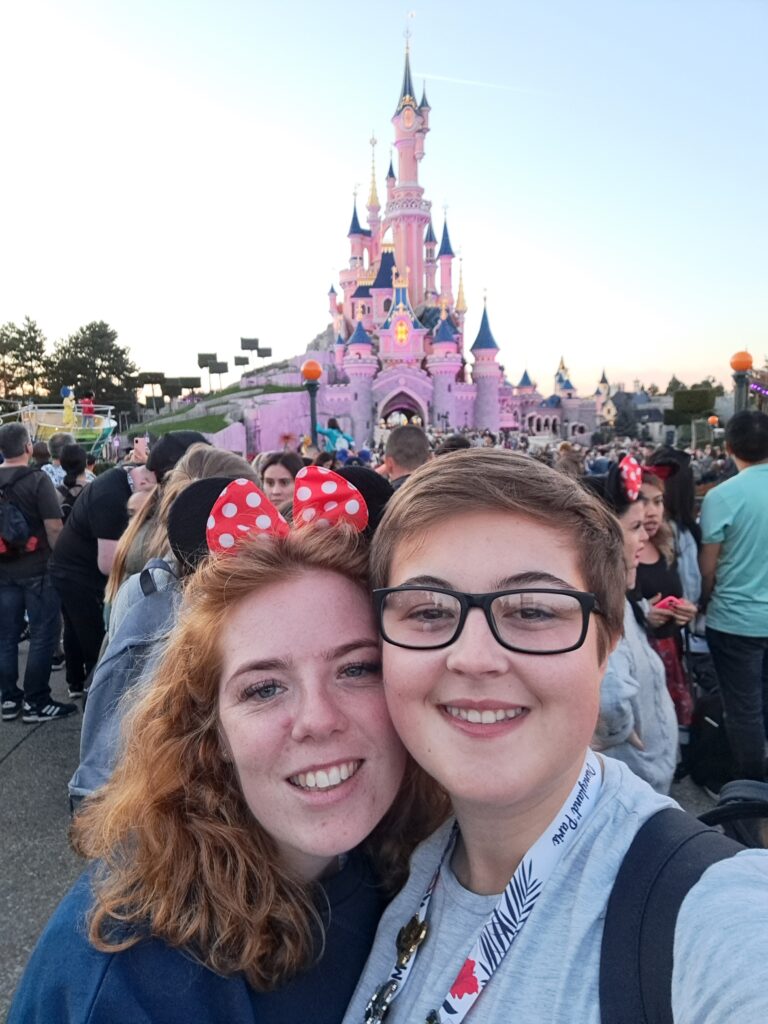
are you ready to take the first step into fostering, like Betty and Hannah?
If you live in Conwy, contact Foster Wales Conwy and Jess, our dedicated Recruitment Officer, will be in touch for a friendly, no obligation conversation to help you decide if fostering is right for you.
If you live anywhere else in Wales, visit Foster Wales for more information and to find your local authority fostering team.